2026-11-28 ·
Slab Leak or Water Heater Problem? What Dallas Homeowners Should Check First
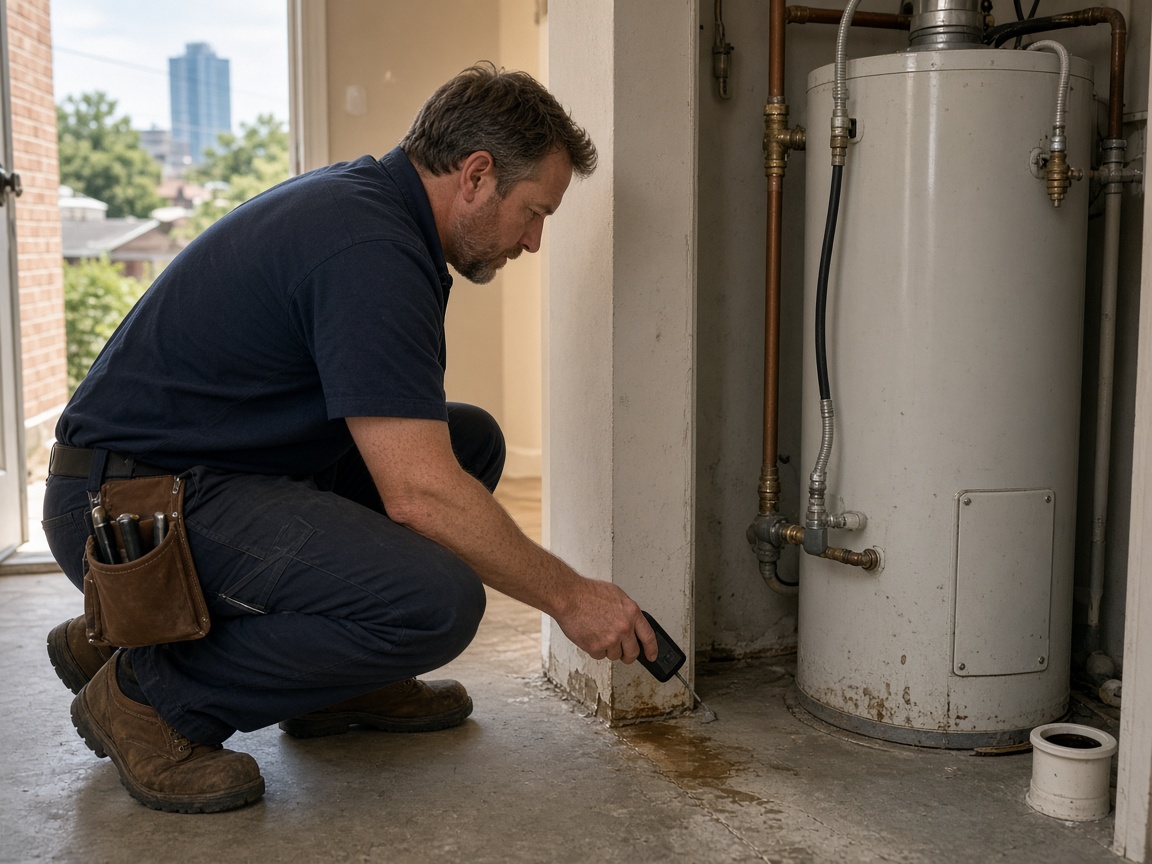
Start with the water heater if your hot water problems stay inside the heater itself, such as rusty water, popping noises, or a unit that runs out quickly. Consider a slab leak if the trouble spreads across the house, shows up as warm spots on your floors, or appears alongside a water bill that keeps climbing with no clear reason. In Dallas, many homes sit on concrete slabs over expansive clay, so a leak under the foundation can mimic a heater failure. Our advice is to rule out the simple heater causes first, then look for the signs that only a hidden leak produces.
Start With the Water Heater Itself
A water heater problem usually stays where the heater is. If your tank runs lukewarm after a short shower, takes a long time to recover, or sends out water that smells like sulfur, the fault is most likely inside the tank or its controls. Check the pilot light or power supply, the thermostat setting, and the temperature and pressure relief valve for any drips. Look at the base of the unit as well, because a small puddle there can mean the tank is failing.
Sediment buildup is one of the most common reasons a heater loses efficiency in Texas, where hard water deposits settle at the bottom of the tank. Flushing the tank once in a while can extend its life and restore its heating power. If the problems continue after these checks, water heater repair is the right next step, since a technician can test the elements, the gas valve, and the anode rod.
Signs That Point to a Slab Leak
A slab leak tends to reveal itself in ways a water heater never does. Warm or damp spots on tile or wood floors, especially in one room, can mean hot water lines run beneath the concrete. You may hear water running when every fixture in the house is off, or notice a sudden drop in water pressure at several faucets at once. Some homeowners see cracks in the drywall, a soft spot in the flooring, or a patch of grass that stays greener than the rest of the yard.
Shifting soil makes these signs more likely in Dallas. As the clay expands and contracts through wet and dry seasons, it can stress the copper or PEX lines running through the slab until a pinhole or joint fails. A leak like this may run for weeks before it shows up on a bill. If you spot several of these signs together, read our guide on how to tell if you have a slab leak in a Dallas home to compare them against your own house.
Check Your Water Meter and Fixtures
A simple meter test can separate a heater problem from a hidden leak. Turn off every faucet, toilet, dishwasher, washing machine, and ice maker in the house, then read the water meter. Wait about an hour without using any water and read it again. If the dial or leak indicator still moves, water is escaping somewhere in the system, and the cause could be a slab leak, a buried line, or a running toilet.
Smaller fixtures can hide problems too. A toilet flapper that does not seal can waste a surprising amount of water, and a dripping hose bib can soak the ground near the foundation. Check under sinks and behind the water heater for moisture, and look at the inlet lines for corrosion or wet stains. Testing each fixture one at a time helps narrow the source before you call anyone out.
When to Bring In Leak Detection
If the meter test shows water loss and you cannot see where it is coming from, the leak is probably hidden. Guessing at this point wastes time and can lead to opening walls or floors in the wrong place. Professional leak detection uses acoustic listening equipment and pressure testing to pinpoint the sound of escaping water, along with tools that trace the path of the line before any concrete is disturbed. Our team uses these methods so the repair starts where the problem actually is.
We recommend contacting a professional when a hidden leak is suspected, when water pressure drops across the whole house, or when your bill rises without any change in use. Getting an accurate diagnosis first protects the foundation and keeps the damage limited. You can learn more about our approach on the water leak detection page, and our slab leak repair service covers the next steps once the leak is located.
What to Do While You Wait for Help
While you arrange a visit, take steps that limit damage. Shut off the main water valve if you see active flooding or hear water rushing, and keep the heater's gas or power supply off if the tank has been drained or is leaking. Move rugs, furniture, and personal items away from any warm or wet floor, and run a fan or dehumidifier to prevent mold from starting. Take photos and note which fixtures were in use when you noticed the problem, since that information helps a technician work faster.
Keep a record of your water meter readings and any changes in your bill. Those notes help confirm whether the leak is ongoing and how long it has been active. If you find yourself dealing with a sudden burst, our emergency plumbing team can respond to urgent problems. Careful checks at home make the difference between a quick fix and a costly rebuild of the floor above.